A Real Talk Guide to Microdosing Mushrooms
What’s the Deal with Shroom Capsules?
Let’s cut through the jargon. Microdosing is just taking a tiny bit of magic mushrooms—about 5–10% of what you’d take for a full trip. The idea isn’t to hallucinate or lose your mind for six hours. It’s to function better. You’re looking for a nudge, not a overhaul.
This stuff has caught on in wellness and biohacking circles because it actually feels different from a cup of coffee or a pill. It’s about clarity, emotional steadiness, and maybe finding that lost spark of creativity. It’s not magic; it’s just chemistry working quietly in the background.
How It Actually Works (The Science Bit)
The active ingredient is psilocybin. Your body breaks it down into psilocin, which then hooks into your serotonin receptors. Think of it like oiling a rusty hinge. At microdose levels, this interaction seems to encourage neuroplasticity—the brain’s ability to rewire itself. It might even help different parts of your brain talk to each other better.
That’s why people say they can solve problems easier or handle stress without crumbling. You get the benefit of the connection without the visual distortions.
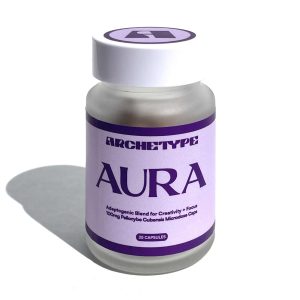
Microdose Mushrooms
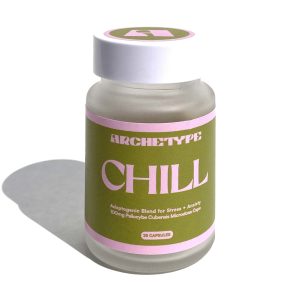
Microdose Mushrooms
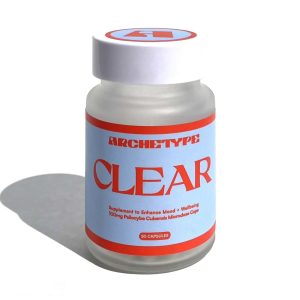
Microdose Mushrooms
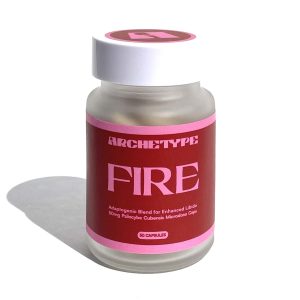
Microdose Mushrooms
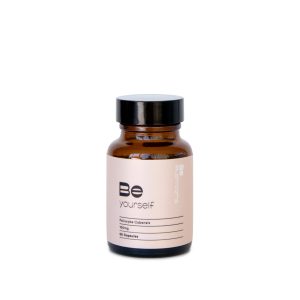
Microdose Mushrooms
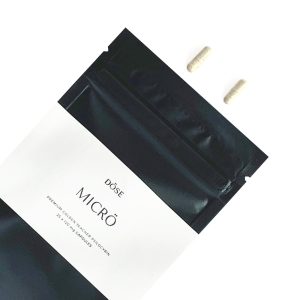
Microdose Mushrooms
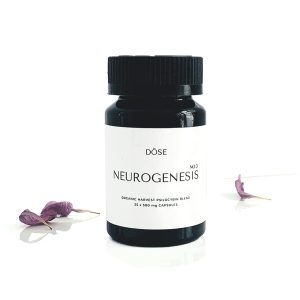
Microdose Mushrooms
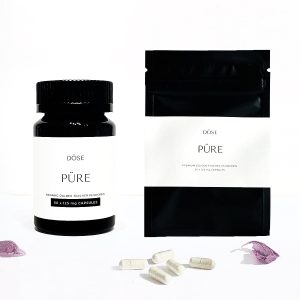
Microdose Mushrooms
Dose PURE Golden Teacher Microdose Psilocybin Capsules (25 or 60 Capsules)
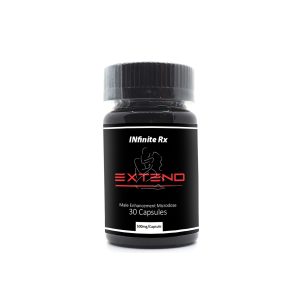
Microdose Mushrooms
INfinite Rx (Extend) Male Enhancement Microdosing Psilocybin Capsules
Microdose Mushrooms
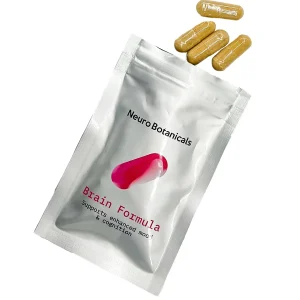
Microdose Mushrooms
Neuro Botanicals – Brain Formula Microdose Capsules (Pack of 10)
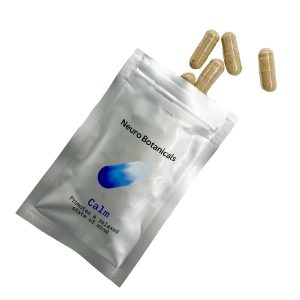
Microdose Mushrooms
Why People Actually Use It
- Focus: Professionals use it to get work done. Unlike caffeine, which gives you the shakes and then a crash, microdosing gives you a steady hum of energy. You stay on task without feeling wired.
- Mood: It helps regulate emotions. If you’re dealing with anxiety or low-grade depression, it can take the sharp edges off. It’s not a cure, but it’s a helpful tool.
- Creativity: Writers and artists use it to break through blocks. It helps with “divergent thinking”—the ability to see multiple solutions to a problem instead of getting stuck on one rigid answer.
- Being Present: Some people find it easier to meditate or just be in the moment. It quiets the mental noise that usually distracts you.
The Good, The Bad, and The “Meh”
The Benefits
- Better Focus: You concentrate without tunneling your vision.
- Emotional Balance: Stress hits different. You’re more resilient.
- Creative Flow: Ideas come easier. The mental faucet turns on.
- Social Ease: You’re more empathetic. Conversations feel smoother.
- Body Awareness: You notice when you’re tired or hungry sooner.
The Downsides
- It’s Subtle: If you expect a movie-magic experience, you’ll be bored. For some, the effect is so faint it’s hard to tell if it’s working or if it’s just a good day.
- Inconsistent: Your body changes. A dose that works Tuesday might do nothing Wednesday.
- Legal Trouble: Psilocybin is still illegal in most places. Keep that in mind.
- Not Enough Data: Most of what we know is from stories, not hard science. Research is catching up, but it’s slow.
- Cost: Good mushrooms aren’t cheap. Finding a reliable source can be a hassle.
Watch Out For
Some people feel more anxious or sensitive on dosing days, especially at first. Pay attention to your body. If it feels wrong, stop.
Timeline: What to Expect
- Onset: 30–60 minutes after you take it.
- Peak: The effects peak around 2–4 hours.
- Duration: The subtle effects last 6–8 hours.
- Afterglow: Many people report a nice mood boost after the dose wears off.
What It Actually Feels Like
You won’t see patterns on the walls. The changes are internal. You might notice:
- Your thoughts connecting in new, useful ways.
- Emotions feeling less volatile.
- Colors looking a bit brighter or sounds more distinct.
It’s not about escaping reality. It’s about engaging with it a bit more fully.